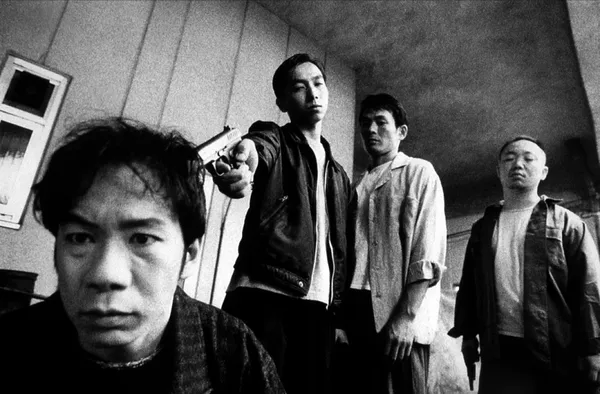
如果将影像中人物身体性运动进行分类,那么它可以被分成负责维系事件内部关系建构的“身体运行”与负责事件外部关系建构的“身体舞蹈”。这部作品可以作为一个非常典型的案例,用于说明在针对一个明确的,长期的事件叙述里加入“舞蹈动作”并不能使得身体运动的实质发生改变。它造成的结果只是让人物运作舞姿,而不能使人物真正在某一段时期成为舞者。这和观看者习得一段语境后在和影像内容建立关系时自发的意识倾向有关,所以说“事件之外”其实代表着原始语境被短暂地覆盖,它是主梢的枝桠或是两条长路之间的小径。
——
If we categorize the body according to its function within filmic movement, it can be divided into two modes. First, there is the operative body, which functions within the internal relations of the event itself. Second, there is the body as spectacle: a complete, self-contained display shaped by forces external to the central action.
With regard to the “location” in which the body presents its instrumental physicality, this film exemplifies how the persistent insertion of statuary body into the unfolding of the plot contributes little to discursive development. Rather than leading the spectator to identify the body as the product of training or transformation, the film’s repeated emphasis on bodily display instead burdens its visual field. Its connection to the narrative becomes contingent upon the spectator’s own investment in its material articulation.
As a result, foregrounding the body as substance – highlighting its exhibitive potential – inevitably dilutes the immediacy of the film’s discursive direction. Yet this strategy cannot, on its own, determine the trajectory through which signs come to signify the happening.
—— 2024.06.15
Leave a Reply